Inbuilt Wood Heating vs. Freestanding Wood Heating: Which is Right for You?
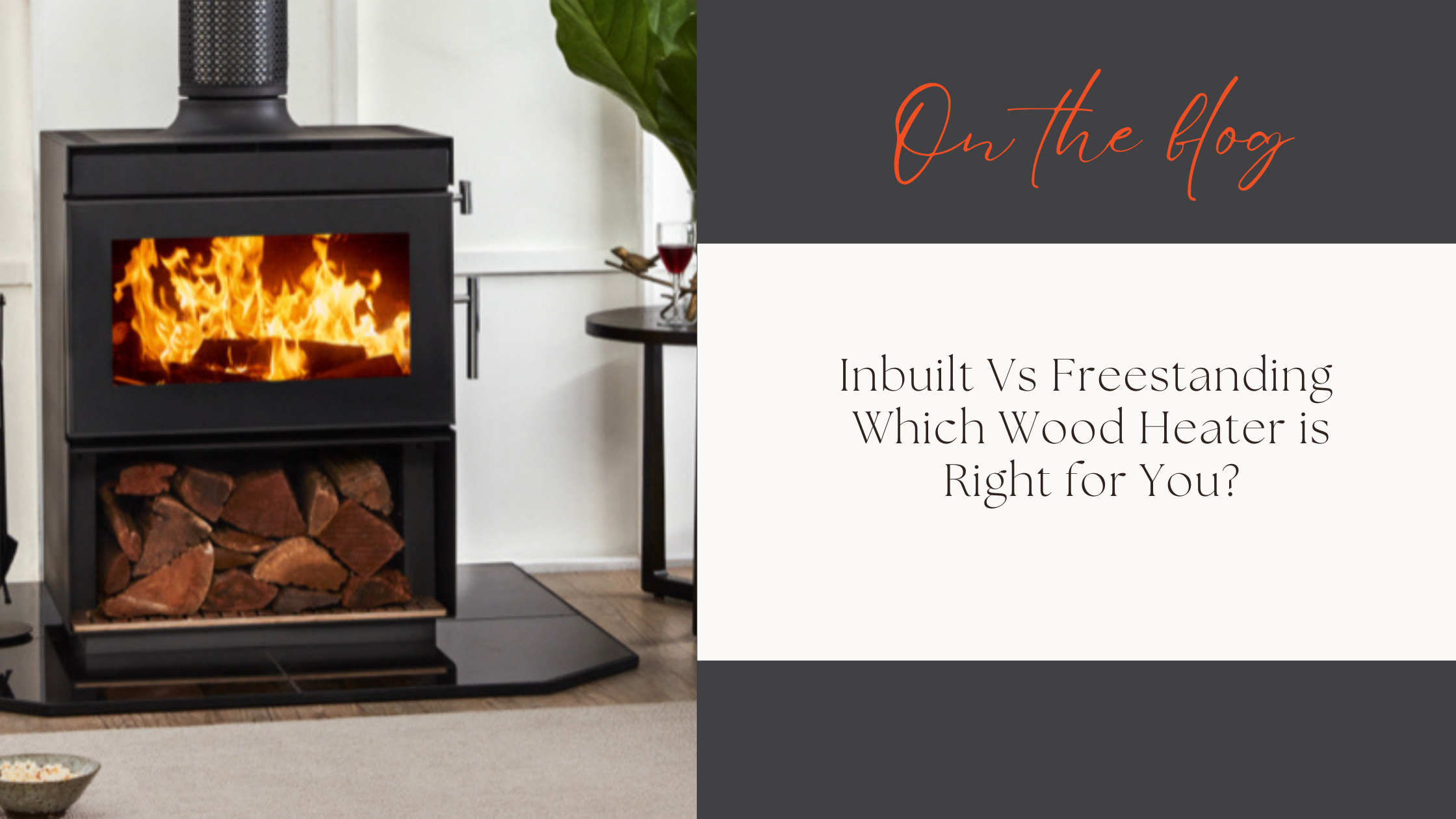
Inbuilt Wood Heating vs. Freestanding Wood Heating: Which is Right for You?
Wood heaters are a timeless choice for home heating, offering warmth, charm, and energy efficiency. When choosing a wood heater, one of the biggest decisions is whether to go for an inbuilt or freestanding model. Both have unique benefits, and the right option depends on your space, style, and heating needs. Here’s a breakdown to help you decide.
What is an Inbuilt Wood Heater?
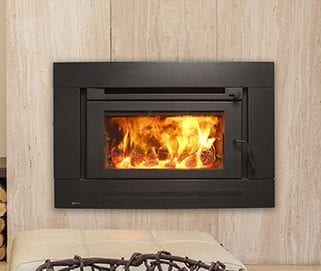
Inbuilt wood heaters are designed to be installed into a wall cavity or an existing fireplace. They offer a sleek, space-saving solution and are ideal for homes with a pre-existing chimney.
Advantages of Inbuilt Wood Heating
- Space-Saving: Fits neatly into walls or fireplaces, ideal for smaller spaces.
- Modern Aesthetic: Provides a streamlined and polished look.
- Efficient Use of Existing Fireplaces: Revitalizes old fireplaces with modern heating technology.
- Increased Home Value: Adds a sophisticated feature to your home.
Considerations for Inbuilt Models
- Installation Costs: Requires professional installation, which can be more expensive.
- Limited Portability: Once installed, it cannot be moved.
- Ventilation Requirements: Needs proper flue and chimney setup for safe operation.
What is a Freestanding Wood Heater?
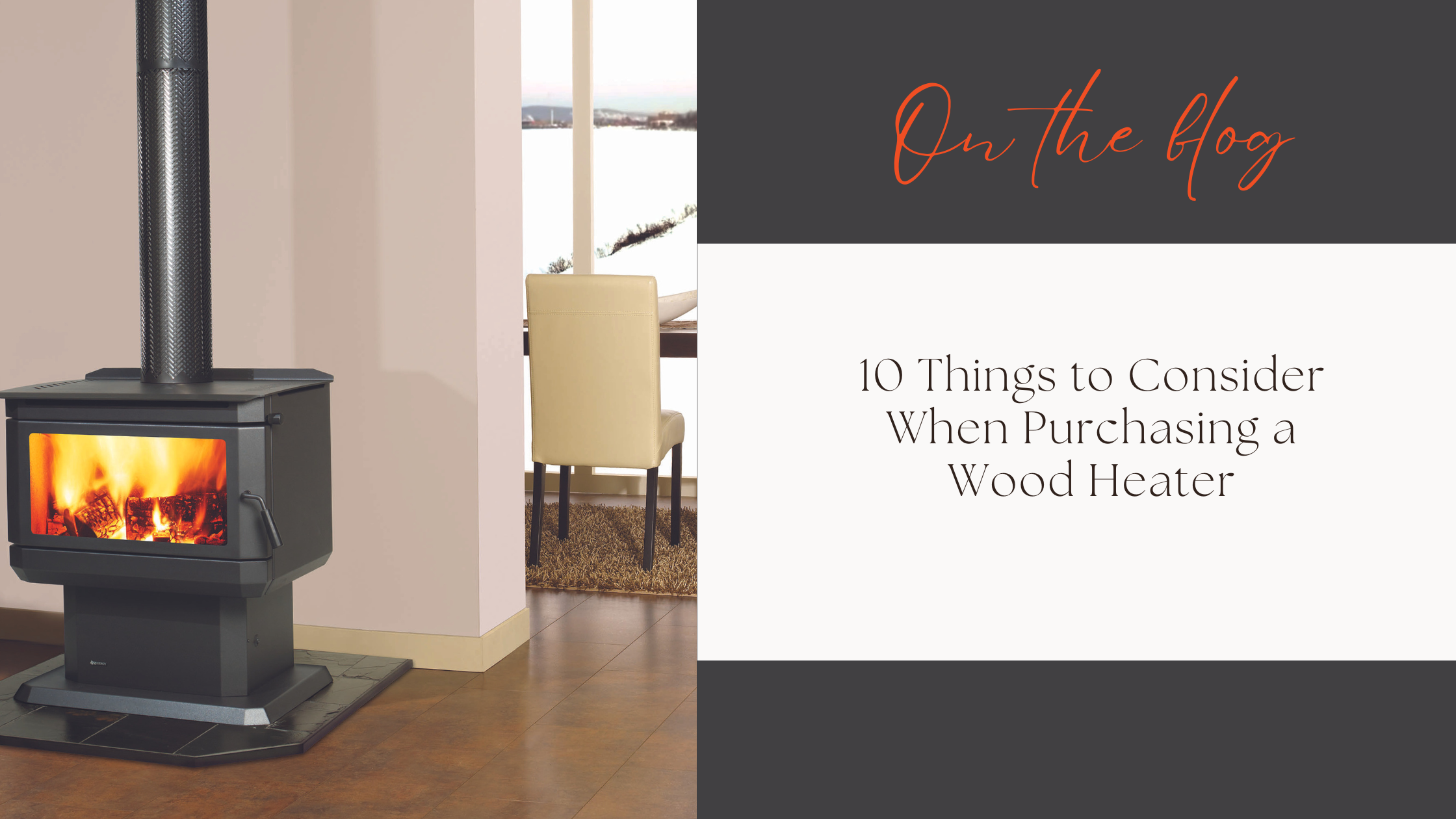
Freestanding wood heaters are standalone units that can be placed in various locations within your home. They don’t require an existing fireplace, making them a versatile option.
Advantages of Freestanding Wood Heating
- Flexibility: Can be installed almost anywhere with proper ventilation.
- High Heat Output: Heats spaces more effectively due to 360° heat distribution.
- Easier Installation: Typically simpler and less costly to install.
- Style Variety: Available in traditional and modern designs to suit any décor.
Considerations for Freestanding Models
- Requires Floor Space: Takes up room on the floor, which might be a concern in smaller homes.
- Surface Safety: The exterior gets hot, so caution is needed with children and pets.
Comparison: Inbuilt vs. Freestanding Wood Heaters
| Feature | Inbuilt Wood Heater | Freestanding Wood Heater |
| Installation | Requires a wall or fireplace | Can be placed anywhere with a flue |
| Space Efficiency | Saves floor space | Requires dedicated floor space |
| Heat Distribution | Focused heat | Radiates heat 360° |
| Style Options | Sleek and modern | Wide variety of styles |
| Portability | Fixed installation | Can be relocated (with effort) |
| Cost | Higher upfront installation | Lower installation cost |
Which Wood Heater is Right for You?
Choose an Inbuilt Wood Heater If:
- You have an existing fireplace or wall cavity.
- You prefer a minimalist, space-saving design.
- You’re looking for a modern aesthetic.
Choose a Freestanding Wood Heater If:
- You need flexibility in placement.
- You want maximum heat output and distribution.
- You prefer a traditional or rustic style.
Conclusion
Both inbuilt and freestanding wood heaters have their own set of advantages, making them suitable for different needs and preferences. Consider your space, budget, and style preferences when making your choice.
For expert advice and a wide range of high-quality wood heaters, visit us in store at Heating and Outdoors By Glendale Warehouse. Let us help you create a cozy, warm, and inviting home this winter!